AI Tools
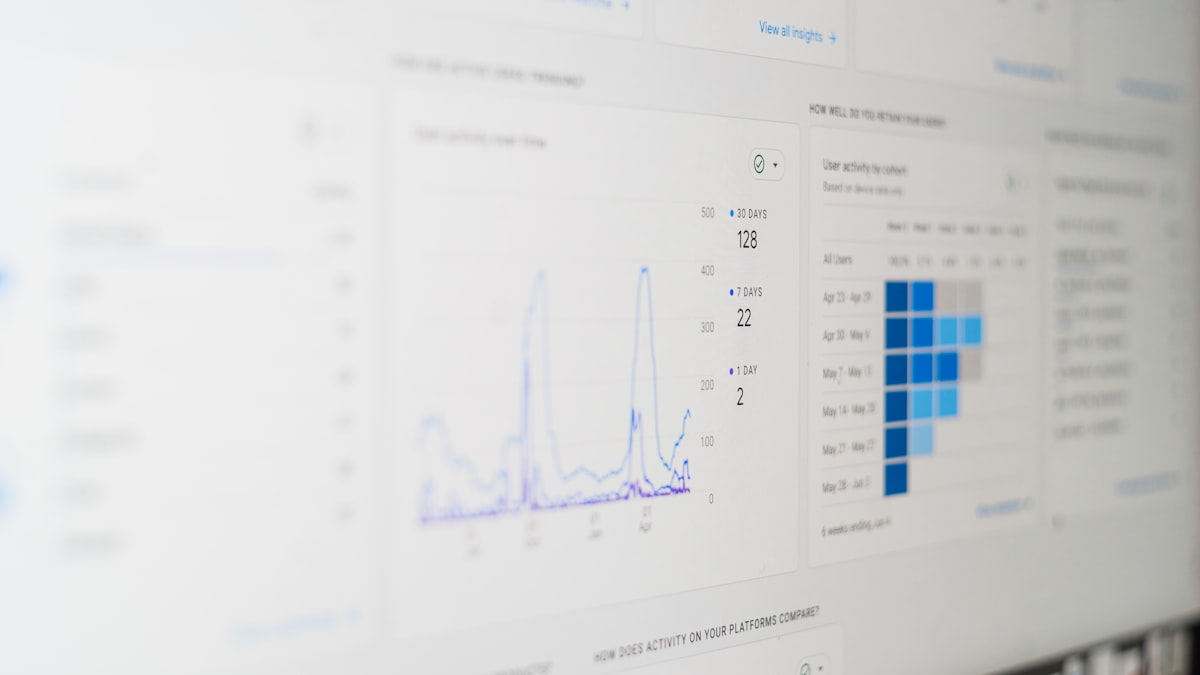
The phrase "AI-powered finance" gets applied to a lot of very different things. At one end, you have tools that analyse spending patterns and generate reports. At the other, you have trading algorithms managing billions of pounds. These are not the same thing, and treating them as equivalent leads to either excessive enthusiasm or unnecessary suspicion.
This guide focuses on the more modest and more immediately practical category: AI tools designed to help individuals understand their spending and make more informed day-to-day financial decisions.
What AI does well in personal finance
The two tasks AI handles well in this context are categorisation and pattern recognition. Both are labour-intensive when done manually, and both benefit from being consistent across large amounts of data.
Categorisation means reading a transaction description — "DELIVEROO*LONDON", "TFL TRAVEL CH", "AMAZON.CO.UK" — and placing it in the right spending category. A human doing this manually takes time and makes inconsistent decisions. A well-trained model does it quickly and consistently.
Pattern recognition means looking across months of data and identifying things that change — a gradual increase in subscription costs, a spending spike in specific weeks, categories that are growing without a clear reason. This is something humans can do but rarely do systematically, because it requires holding a lot of data in mind at once.
What AI cannot do
AI expense analysis tools cannot provide regulated financial advice. This is not a technicality — it is a meaningful distinction. Regulated financial advice involves an authorised professional assessing your complete financial situation, goals, obligations, and risk tolerance, and making specific recommendations accordingly. No AI tool currently does this legally or reliably.
Current tools also cannot account for context they do not have. If you spent £800 on groceries in December because you hosted a large family gathering, the AI sees a spike in grocery spend. It does not know about the gathering. It might flag the increase as unusual, which is accurate — but the context that explains it is only in your head.
This is why Finance Builder AI frames its outputs as observations and recommendations rather than instructions. "Your takeaway spend increased by 35% versus last month" is a fact the system can determine. Whether that matters and what you should do about it is a judgement only you can make.
The data accuracy problem
AI analysis is only as good as the data it works from. If you have three bank accounts and only upload one month from one of them, the picture is partial. If your bank uses unusual transaction descriptions that confuse the categorisation model, some things will end up in the wrong place.
This is not unique to AI — any analysis system has this limitation. The difference is that AI tools can make errors confidently. A miscategorised transaction might produce a misleadingly high total in one category without any obvious signal that something is wrong. It is worth reviewing categorisations, especially in the first few months of using any new tool.
A note on data privacy
Tools that analyse your spending data have access to sensitive personal information. Before using any tool in this category, it is worth understanding: where is the data stored, who can access it, and what happens to it if you close your account?
Finance Builder AI processes data under UK GDPR, does not sell data to third parties, and allows account deletion including all associated data. These are the minimum standards you should expect from any tool you use for this purpose.
Using AI tools sensibly
The most useful frame for AI personal finance tools is this: they help you see your financial data more clearly. They do not make decisions for you. They do not know things about your life that you have not told them. They are better at finding patterns than drawing conclusions.
Used with that understanding, they can be genuinely valuable — particularly for people who know they should be paying more attention to their spending but find the manual work of doing so too time-consuming to maintain. The AI does the data work; you do the thinking.
Try AI expense analysis for your own spending
Finance Builder AI uploads your bank data, categorises it automatically, and gives you a clear picture of where your money goes. 7-day free trial, no card required.
Start free trial